
Images are the lifeblood of modern websites. They showcase your brand, elevate your design, and help tell your story. But they also come with a cost: large, unoptimized images are one of the biggest reasons WordPress sites load slowly, rank poorly, and lose conversions.
In an era defined by speed and mobile browsing, image optimization has become essential. And the easiest, most effective way to achieve it is by using a dedicated image optimization platform. At Thundera Multimedia, we encourage every client to leverage these tools and ensure their WordPress website loads quickly and delivers the best possible user experience.
Let’s explore why image optimization matters and how it transforms your WordPress website.
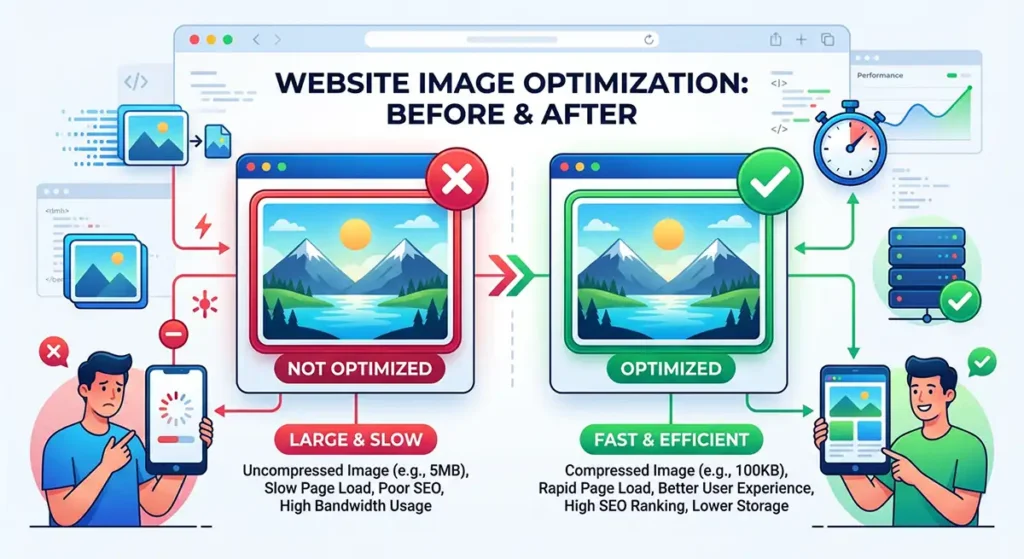
1. Faster Load Times = Better User Experience
Slow websites frustrate visitors. In fact, even a one‑second delay can reduce conversions by up to 7%. Image optimization platforms solve this by:
- Compressing images without visible quality loss
- Automatically resizing images for different devices
- Serving next‑gen formats like WebP and AVIF
The result is a site that feels snappy, responsive, and modern—no matter how image-heavy your design is.
2. Massive SEO Benefits
Google’s ranking algorithms heavily prioritize speed and mobile performance. Optimized images directly improve:
- Core Web Vitals
- PageSpeed Insights scores
- Search engine visibility
When your images load faster, your entire site becomes more competitive. For WordPress users who rely on organic traffic, this is a game‑changer.
3. Automatic Optimization Saves Hours of Work
Manually resizing and compressing images is tedious and unrealistic for most businesses. Image optimization platforms automate everything:
- Bulk optimization for existing media
- Real-time optimization for new uploads
- Smart cropping and responsive sizing
- CDN delivery for global speed
This means your team can focus on content and design—not technical maintenance.
4. Reduced Bandwidth and Hosting Costs
Large images consume server resources. Over time, this leads to:
- Higher hosting bills
- Slower performance during traffic spikes
- Increased strain on shared hosting environments
By shrinking image file sizes—often by 50–80%—optimization platforms dramatically reduce bandwidth usage and keep your hosting environment running smoothly.
5. Better Mobile Performance
More than 60% of web traffic in 2026 comes from mobile devices. Image optimization platforms ensure your site delivers:
- Smaller, device‑appropriate images
- Faster rendering on slower mobile networks
- Improved mobile UX and engagement
This is especially important for WordPress sites using visual builders like Elementor, Bricks, or Gutenberg, where images play a central role in layout.
6. Consistent Quality Across All Devices
Image optimization isn’t just about shrinking files—it’s about preserving visual quality. Modern platforms use AI‑enhanced compression to maintain crisp, clean images while dramatically reducing size.
Your site looks better and loads faster. That’s the ideal combination.
7. Seamless Integration with WordPress
Most image optimization platforms offer:
- One-click setup
- Automatic media library integration
- Compatibility with WooCommerce, LMS platforms, and page builders
- CDN options for global delivery
This makes optimization effortless for agencies, developers, and business owners alike.
8. Future-Proofing Your Website
As browsers evolve and new formats emerge, image optimization platforms keep your site up to date automatically. You don’t have to worry about:
- New compression standards
- Emerging image formats
- Changing SEO requirements
- Performance updates
Your WordPress site stays modern without manual intervention.
Final Thoughts
Image optimization is no longer optional, it’s foundational. Whether you run a blog, an eCommerce store, or a corporate site, an image optimization platform delivers measurable improvements in speed, SEO, user experience, and long-term scalability. If you want your WordPress website to perform at its best, investing in image optimization is one of the smartest moves you can make.
There are numerous image optimization platforms and plugins to choose from such as the Elementor Image Optimizer, ShortPixel or Optimole. You can find a list of optimization plugins on the WordPress plugin directory here. While most tools achieve the same core goal of optimizing images, they vary significantly in pricing structures and advanced features like built-in CDNs. Contact us for help in selecting the best optimization platform for your website or to learn more about our web design services.